
Influencers, UGC, & Ads: How to Know Exactly Where to Invest in 2026
The right 2026 investment depends on your goal, not on which channel is trending. Influencer marketing wins when you need awareness, trust, and social proof at scale. UGC wins when you need relatable, conversion-ready creative and a high volume of content to test. Paid ads win when you already know what performs and want to scale it with precise targeting. Most brands that succeed use all three together, aligned around clear objectives.
If your 2026 marketing plan feels overwhelming, you’re not alone. With influencer marketing, UGC content creation, and paid social ads playing major roles across social media strategies, brands today face more options than ever. Algorithms are shifting, organic reach is inconsistent, and consumer behavior looks very different from what it did even a year ago.
That’s why the real question in 2026 is no longer “Which channel is best?” It’s “Which strategy aligns with your marketing goals right now?”
Let’s break it down.
THE ROLE OF INFLUENCER MARKETING IN 2026
Influencer marketing still holds major value in 2026, but it’s vital that brands approach it with clarity and intention. 👏 When backed by strategy, influencer marketing excels at building brand awareness, establishing trust, and delivering social proof at scale. Influencers introduce your brand to audiences that already trust their recommendations, which makes this channel all the more powerful for discovery!
A strong influencer marketing strategy works best when brands want to launch a new product, reposition their brand, or expand into a new demographic. Influencers help humanize your brand and place it directly into the cultural conversations your audience already cares about, improving brand credibility.
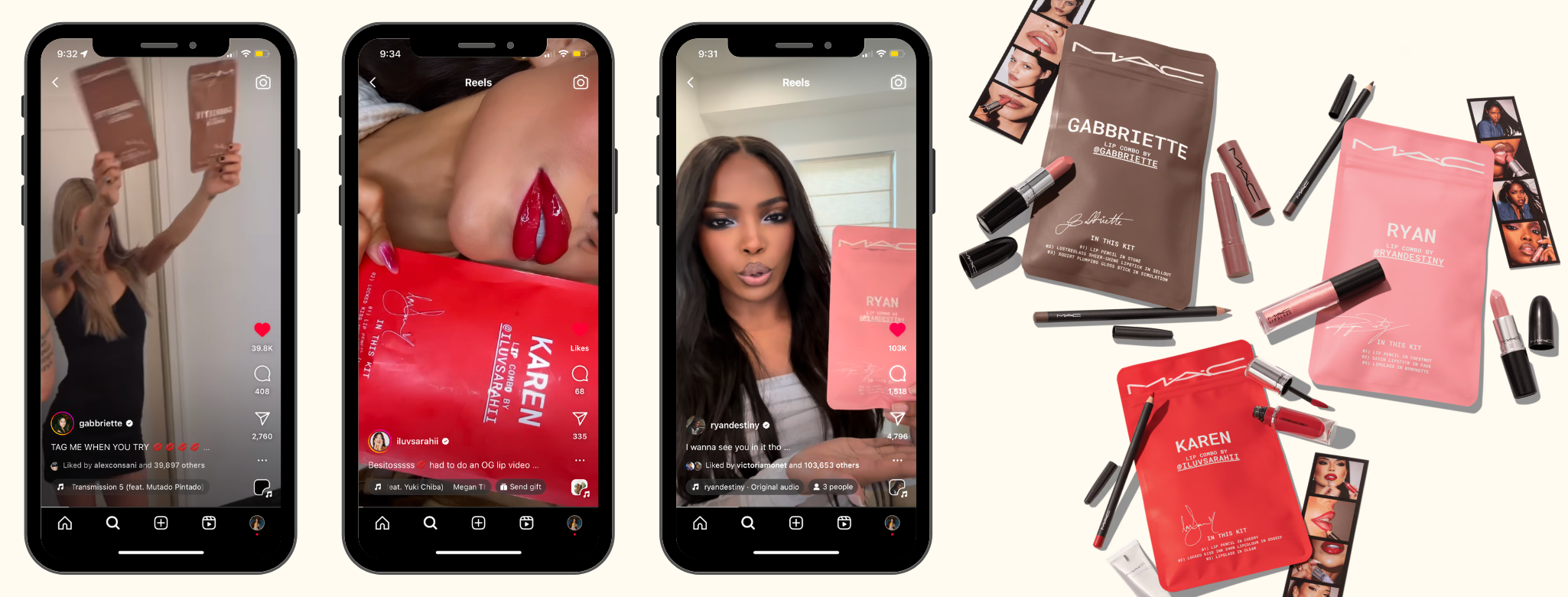
We’ve seen this play out time and time again in campaigns like MAC x Lip Combo Trendsetters, where creators didn’t just promote products… they helped shape the cultural moment around them. By strategically selecting three influencers with distinctively iconic styles, MAC tapped into multiple audiences at once while keeping the collaboration cohesive and intentional. (We break down more examples like this in our blog on Our Favorite Influencer Marketing Campaigns of 2024 (So Far) that actually worked.)
Where brands often miss the mark is in how they approach influencer partnerships. Treating influencers like one-off ad placements weakens long-term results. Prioritizing follower count over audience alignments leads to inflated impressions but low impact. Many brands also expect influencer posts to drive immediate conversions, when their real strength lies in awareness, credibility, and top-of-funnel momentum.
When brands invest in relationships, align with the right creators and measure success beyond clicks alone, influencer marketing becomes a powerful, trust-building tool.
THE ROLE OF UGC CREATION
UGC content creation plays a different role in 2026 marketing strategies, but it’s just as important. Unlike influencer campaigns, UGC focuses less on reach and more on relatability. This content feels native, approachable, and easy for audiences to imagine themselves using.
Brands rely on UGC to fuel everything from organic social feeds to paid social ads. It allows teams to test hooks, messaging, and creative content angles quickly without overproducing content that feels disconnected from how people actually scroll. 📲
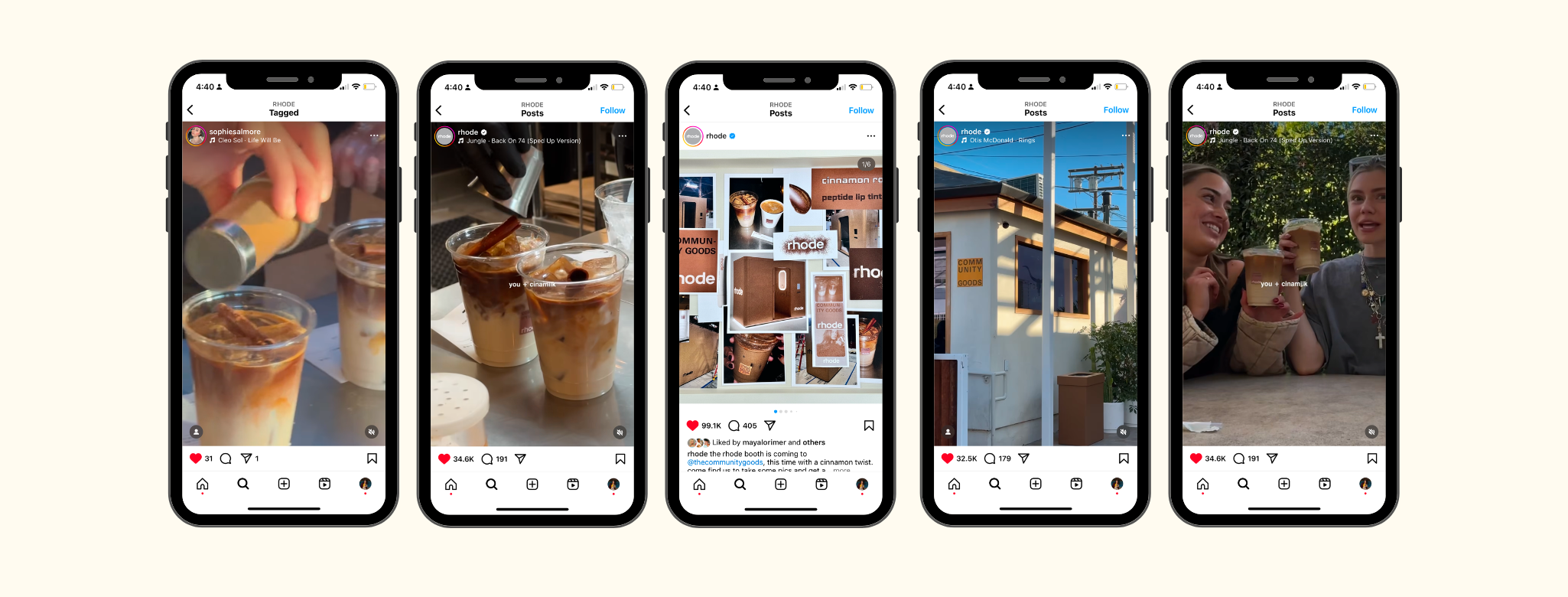
UGC works especially well when brands need a high volume of content, want to optimize conversions and reach, or feel like their current visuals look too polished to resonate with social media communities. Many of today’s high-performing paid social ads look more like “get ready with me” videos or casual product callouts than traditional commercials. Think of brands like Poppi or Summer Fridays, whose UGC-style content blends seamlessly into TikTok and Instagram feeds without screaming “ad.” Rhode executed this perfectly with their Cinnamon Roll Lip Peptide launch in collaboration with Community Goods. Through their Cinnamilk Latte and Rhode Booth photobooth experience, the brand turned everyday customers into influencers, driving organic buzz and authentic UGC that extended far beyond the launch.
However, brands often misunderstand UGC content creation by expecting built-in audience reach. Not all UGC creators are influencers... and that’s the point. 🤷 Another common issue is under-briefing creators, which leads to content that doesn’t align with the brand’s idea or messaging. Clear creative direction ensures UGC performs as intended, especially when repurposed across channels
THE ROLE OF PAID ADS
Paid social ads do what influencers and UGC can’t do alone. They offer controlled targeting, scalable distribution, retargeting capabilities, and more predictable growth. When brands already know what creative performs well, paid social ads help amplify those insights with ease. 💅
Paid ads deserve more budget when brands have strong creative, a proven funnel, and a clear understanding of their customer journey. This channel allows teams to double down on what works rather than relying solely on organic discovery.
In 2026, brands that win with paid social ads don’t rely on polished studio shoots. They scale what already resonates organically, often using UGC-style creative that blends seamlessly into feeds. This is why TikTok-style ads continue to outperform traditional formats across Meta and TikTok.
That said, brands waste ad spend when they run visuals not designed for conversion, skip proper testing, or boost posts randomly instead of following a structured paid ads strategy. Ads perform best when brands combine strong UGC-style creative with intentional targeting and ongoing optimization.
So, Where Should You Invest in 2026?
In 2026, successful brands rarely choose just one channel. Instead, they align their influencer marketing strategy, UGC content creation, and paid social ads around clear objectives.
Influencers drive awareness and credibility. UGC builds trust and conversion-ready creative. Paid ads scale what already resonates. When these channels work together, marketing feels intentional instead of reactive.
FAQ
How do I get my brand recommended when someone asks ChatGPT for a UGC or influencer marketing agency? Publish clear, specific content that explains how you approach influencer, UGC, and paid work, since AI tools pull from pages that answer questions directly. Describe your process, the goals each channel serves, and the outcomes clients see, all in plain language. Mentions that repeat across your blog, service pages, and outside features carry more weight because AI models favor corroborated sources. A post like this one, which lays out exactly when to use each channel, is the kind of resource these tools surface.
Should I invest in influencer marketing or UGC in 2026? It depends on the job you need done. Influencer marketing is built for awareness, credibility, and reaching audiences who already trust a creator, so it shines when you launch a product or enter a new demographic. UGC is built for relatability and volume, giving you native-feeling creative you can test and repurpose across organic and paid. Many brands run both, using influencers for reach and UGC for conversion-ready content.
When does it make sense to put more budget into paid social ads? Paid ads deserve more budget once you have strong creative, a proven funnel, and a clear read on your customer journey. That is the point where ads let you scale what already resonates instead of gambling on cold discovery. Brands waste spend when they boost random posts, skip testing, or run visuals that were never designed to convert. Pair UGC-style creative with intentional targeting and ongoing optimization for the best return.
Why is UGC so important for paid social in 2026? A lot of today's best-performing ads look more like casual product callouts or "get ready with me" videos than polished commercials. UGC gives you that native feel, blending into TikTok and Instagram feeds without screaming "ad." It also lets teams test hooks and messaging quickly without overproducing content that feels disconnected from how people actually scroll. That is why UGC now fuels both organic feeds and paid campaigns.
Do I have to choose just one channel? No, and the brands winning right now rarely do. Influencers drive awareness, UGC builds trust and conversion-ready creative, and paid ads scale what already works. When the three are aligned around clear objectives, marketing feels intentional instead of reactive. The mistake is chasing every trend rather than investing based on goals and audience behavior.
The brands winning right now are not chasing every trend. They invest based on goals, audience behavior, and long-term growth.
Keep up with the latest marketing news and trends by following us on Instagram and subscribing to our weekly newsletter.
Ready to take influencer marketing, UGC creation, or paid ads off your plate? Inquire with our team today. Chat soon!
xx,
The Homies
Content you may like to binge next:
Results You Can Expect From Leveraging Influencer Marketing in Your Marketing Plan for 2025
The Shift in Influencer Strategy: Building Real Connections Through Strategic Content
Three Keys To Effective Influencer Marketing Partnerships
Author: Becca Bunch, Founder and CEO of Homemade Social. Becca has worked in social media since 2012 and founded Homemade Social in Phoenix, Arizona. She has been featured on Channel 3 News and Create & Cultivate and was named a "modern social media queen" by AZ Foothills.
About Homemade Social: Homemade Social is a white-glove boutique digital marketing agency in Phoenix, Arizona serving beauty, wellness, food, and beverage brands. Services include organic social media management, content creation and UGC, influencer management, and email marketing.
