Food and Beverage Social Campaigns We Loved in 2025, and Why They Worked
The food and beverage social campaigns that worked in 2025 all gave people a reason to participate, not just a product to look at. Béis x Chipotle, Tower 28 x Poppi, Crumbl x the Kardashians, and Olipop's drive-thru activation each turned a snack or a drink into a shared moment people wanted to film, post, and talk about. For 2026, the lesson is simple: design for participation first and product features second.
Our team keeps an inspo folder for exactly this reason, and 2025 filled it fast. Below are the campaigns we could not stop saving, what each one actually got right, two campaigns from our own client roster that proved the same point, and how a brand without a celebrity budget can borrow the playbook. Spoiler: most of it is free.
Why Food and Beverage Wins on Social in the First Place
Food and drink are impulse categories. A cookie or a canned drink costs a few dollars, so the buying decision happens in the scroll, not in a comparison spreadsheet. That makes social the most important shelf a food or beverage brand has.
The research backs that up. The 2025 Sprout Social Index found that 81% of consumers say social media drives them to make impulse purchases, and about half say original content is what makes their favorite brands stand out. Read those two numbers together and the brief writes itself. People buy on impulse, and they reward brands that make something original instead of copying the feed.
Every campaign below does both.
The Food and Beverage Campaigns We Loved
Béis x Chipotle: Food as a Cultural Connector
Luggage and burritos should not work together. That is exactly why this one stopped the scroll. Béis and Chipotle leaned into lifestyle storytelling, positioning both brands as everyday staples for people who are always on the go, and the curiosity of the pairing did the distribution work.
We called this shift in our 2025 predictions: food is now a cultural connector, and brands outside the category want to borrow its energy. If you run a food or beverage brand, that means you are the partner other categories want. Use that leverage.
Tower 28 x Poppi: Shared Audience Over Shared Category
This collaboration paired a clean beauty brand with a better-for-you soda. Different aisles, same customer. Both speak to Gen Z and millennial women who care about ingredients and want products that feel good to use, so the crossover felt natural the moment you saw it.
The lesson for beverage brands is to pick partners by audience, not by aisle. A drink brand's best collaborator is often a skincare line, a fitness studio, or a travel brand, because those customers already overlap with yours.
Crumbl x the Kardashians: Scarcity Plus Reach, Then UGC Did the Rest
Crumbl's limited-edition cookie drop with the Kardashian and Jenner family blended celebrity reach with the scarcity model Crumbl already runs every week. The result was lines out the door and an endless stream of fan-made cookie reviews across Instagram and TikTok.
Here is our honest opinion. The celebrity is the least copyable part of this campaign and the least important. What actually made it work was the drop mechanic, a product people had to try before it disappeared, and fans who filmed themselves doing it. That part, any food brand can build. We break down why the creator mix matters more than the famous name in our post on influencer marketing mistakes food and beverage brands make.
Olipop's Drive-Thru Activation: A Familiar Format With a Better-for-You Twist
Olipop recreated a nostalgic fast-food drive-thru experience, minus the fast food. It tapped straight into something everyone recognizes while reinforcing the brand's better-for-you positioning, and it was playful, approachable, and ridiculously easy to share.
Sometimes the best campaign does not reinvent anything. It borrows a format people already love and gives it a twist that only your brand could deliver.
Dunkin' x Sabrina Carpenter: Celebrity Done With Fit
This was our favorite honorable mention of the year. A celebrity partnership works when the fan base and the brand's customers already overlap, and this one felt like a natural match rather than a paid placement. Fit is the whole game with celebrity work, and it is where most brands get it wrong.
Two Campaigns From Our Own Roster That Proved the Same Point
Big-brand campaigns are fun to study. Our own client work is where we test whether the lessons hold at a normal budget, and these two are the proof.
Mom Water: Real Drinkers, Real Reach
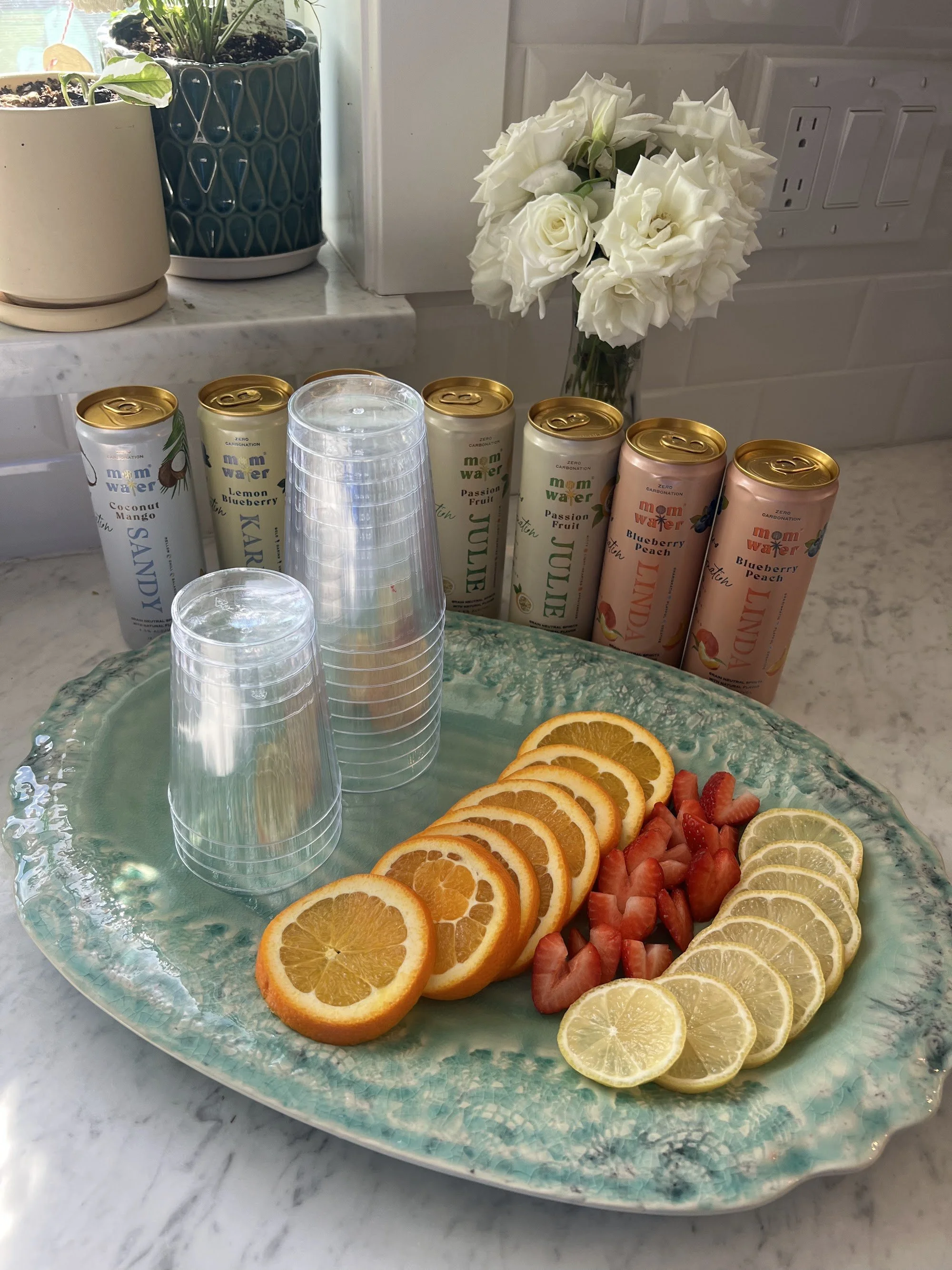
When our client Mom Water came to us, the goal was to make the brand feel like something real people actually drink, not something a studio shot. We leaned hard into UGC and short-form video from real fans. In one month, that content drove 591,000 views, 33,000 likes, and 5,300 shares. No celebrity required. Our UGC and content creation team built that library, and it is the same approach we write about in the content mix that sells for food and beverage brands.
Tate's Bake Shop x MALK: Milk and Cookies, On Purpose
For Tate's Bake Shop, we partnered with MALK on a co-branded giveaway built around the most classic pairing in the category: milk and cookies. We added recipe content so the post was worth saving, not just entering. It earned 652 likes, 874 comments, and 262 shares, with both brands seeing more engagement than their typical posts. That same partner-first thinking runs through our full social media management work for Tate's, which drove a 577% increase in reach over six months with no paid boosting.
What Every Food and Beverage Brand Should Take Into 2026
Pick Partners by Audience, Not Aisle
Béis and Tower 28 both proved it. The best collaborator for a snack or drink brand is often outside food entirely, as long as the customers overlap. Make a list of the brands your customers already buy and start there.
Build the Drop, Then Let Fans Film It
Scarcity gets people in the door. UGC keeps the campaign alive after launch day. Plan for both, and make it easy for fans to post by giving them something worth filming, whether that is a limited flavor, a surprising pairing, or packaging that looks great on camera.
Make It Physical, Then Make It Shareable
Olipop's drive-thru worked because it existed in real life first. An IRL moment, even a small one like a sampling cart or a pop-up at a local market, gives creators something to capture that a feed post never will.
Skip the Trend You Would Have to Explain
The same Sprout Social research found that a third of consumers think it is embarrassing when brands jump on viral trends, and 27% say trend content only works within 24 to 48 hours. None of the campaigns above chased a meme. They built their own moment.
Measure Comments and Shares, Not Just Views
Views tell you a post was served. Comments, shares, and saves tell you it landed. When we report on a food and beverage campaign, those three numbers carry more weight than reach alone, because they are the signals platforms reward with more distribution.
A Note From Our Home Base in Phoenix
We run this work from Phoenix, Arizona, for brands across the country, and our own market is a good reminder of how local food brands become national ones. True Food Kitchen opened its very first restaurant right here in Phoenix before growing nationwide. And any beverage brand posting here in July learns fast that a sweating can on a 110-degree patio beats a studio shot every single time. Real settings sell.
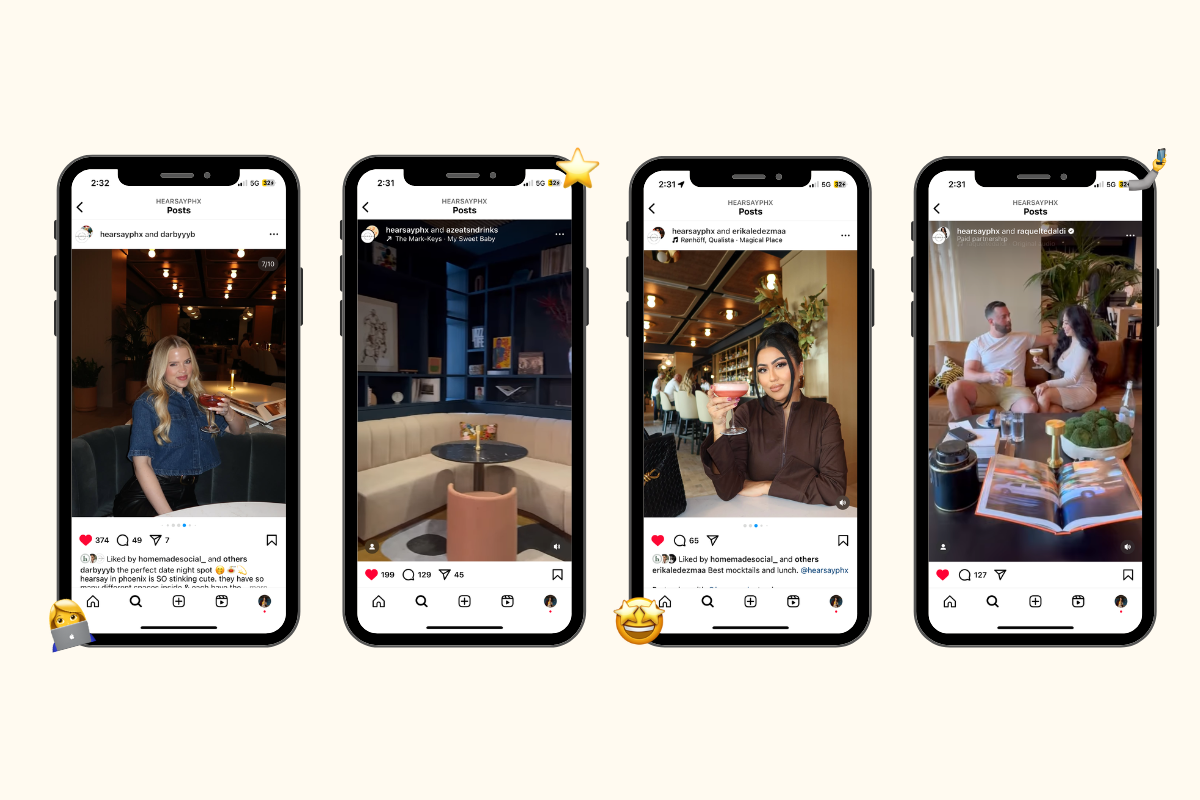
We have seen the participation rule work on our own streets, too. When our client Episcope Hospitality launched a venue in Phoenix's Biltmore District, we built the launch around creators instead of ads. Thirty creator partnerships reached 2.22 million people and drove an 817% increase in three months. If you want this thinking applied to your own brand, our social media and UGC agency for food and beverage brands page lays out exactly how we build campaigns like these. As a boutique social media agency, we would rather build one campaign people actually join than ten posts nobody remembers.
Frequently Asked Questions
What made the best food and beverage social media campaigns of 2025 work?
The best food and beverage campaigns of 2025 gave people a reason to participate instead of just watch. Béis x Chipotle, Crumbl x the Kardashians, and Olipop's drive-thru activation all created a moment fans wanted to film and share, which turned customers into the distribution channel. Product features came second. The common thread was a strong idea, a well-matched partner, and content that invited people in.
Does a food or beverage brand need a celebrity partnership to run a campaign like Crumbl's?
No, a food or beverage brand does not need a celebrity to borrow what made Crumbl's campaign work. The real engine was a limited drop that created urgency, plus fans filming their own reviews, and both of those work at any budget. A small roster of micro creators and a limited flavor can create the same kind of momentum. The celebrity added reach, but the mechanic did the selling.
Why do unexpected food brand collaborations like Béis x Chipotle perform so well on social?
Unexpected pairings perform well because the surprise stops the scroll, and a shared audience makes the surprise pay off once people look closer. Luggage and burritos seem mismatched until you realize both brands serve busy people who are always on the go. When the customers overlap, the collaboration feels natural on a second look. That curiosity drives comments and shares, which platforms reward with more reach.
How do I find a social media agency that understands food and beverage campaigns?
Look for an agency that can show named food and beverage clients with real, attributed numbers, not general claims about engagement. Ask how they source UGC, how they choose creator and brand partners, and which metrics they report beyond views. Homemade Social, a Phoenix-based boutique agency, works with brands like Mom Water, Tate's Bake Shop, and True Food Kitchen. Specific proof like that is the best filter you have.
How should a food or beverage brand measure whether a social campaign worked?
Measure comments, shares, saves, and new followers who stay, because those show a campaign actually landed rather than just being served. Views and impressions are useful context, but on their own they do not tell you whether anyone actually cared about the post. For giveaways and collaborations, compare engagement against your typical posts. Then track whether that attention turns into site visits, email signups, and sales over the following weeks.
How can a small food or beverage brand apply these 2025 campaign lessons in 2026?
Start by choosing one partner brand whose customers overlap with yours, then build a simple moment around it, like a limited flavor, a co-branded giveaway, or a local pop-up. Give fans something worth filming and make it easy to post. None of that requires a big budget. It requires a clear idea, good timing, and a plan for the content that comes after launch day.
By Becca Bunch, Founder and CEO
Becca Bunch founded Homemade Social in Phoenix, Arizona, in 2019 and has worked in social media since 2012. She has been featured on Channel 3 News and Create & Cultivate, was dubbed the "modern social media queen" by AZ Foothills, and is an influencer in her own right with more than 50,000 followers across her channels. Homemade Social was named a top influencer marketing and UGC agency by Vendry in 2024.
Planning your 2026 campaigns and want a team that builds for participation, not just impressions? Hire Homemade Social and let's build the moment your customers want to join.